The fitness app that helps you stay healthy! Check it out on our website.
When vaccination rates drop, polio can spread again. Immunization is the best protection.
Polio is a viral disease that affects humans and was once widespread around the world. Thanks to vaccination programs implemented globally, polio is now considered a rare disease. However, outbreaks are still occasionally reported, particularly in under-immunized communities, where the virus can spread rapidly and may lead to severe and sometimes fatal outcomes. The virus spreads from person to person and may damage the spinal cord, causing flaccid paralysis.
Most people (about three-quarters) who are infected with the polio virus will not report any symptoms, and many will not even know they were infected.
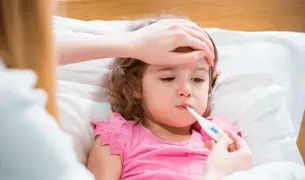
Some individuals will experience symptoms similar to influenza or gastrointestinal illness 3–21 days after exposure.
These symptoms usually last 2–7 days and resolve on their own.
In approximately 2 out of every 1,000 people, the polio virus attacks the nerves in the spinal cord or brainstem and causes paralysis, mainly in the lower limbs. Symptoms usually appear within about ten days of the initial symptoms.
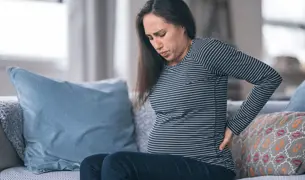
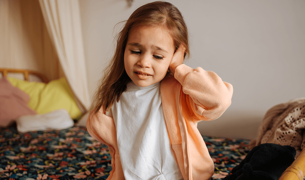
Symptoms may include:
Between 2–5% of children who develop paralytic polio, and up to 20% of adults who develop it, die from the disease.
Some people who previously had polio (including mild or asymptomatic infection) may develop new paralysis symptoms in the future or experience worsening of existing symptoms. This syndrome can appear many years after the initial infection. In about one quarter of these cases, post-polio syndrome leads to death.
The polio virus is highly contagious and spreads through person-to-person contact. The virus enters the body through the mouth following indirect contact with the stool of an infected person, or through exposure to respiratory droplets released during coughing or sneezing. Infection can also occur from food or water contaminated with stool or respiratory droplets.
The disease is so contagious that the likelihood of infection when changing diapers, helping a child use the toilet, or using the same bathroom as an infected person is close to 100%.
The virus multiplies in the throat and intestines of infected individuals. About one week after infection, most of the virus is found in the intestines, from where it spreads through lymph nodes to the bloodstream and nervous system.
People infected with the virus may transmit it to others from about two weeks before symptoms appear and for several weeks afterward. Individuals without symptoms can also spread the disease unknowingly.
There are no specific treatments or medications for polio. Treatment focuses on supportive care and reducing long-term complications, such as hospitalization, respiratory support, physiotherapy, and more.
The best way to prevent polio is vaccination, along with good hygiene practices and handwashing after using the toilet, after changing diapers or assisting with toileting, and before eating.
The polio vaccine has existed for decades. It is highly effective and safe, and thanks to vaccination, polio has been eliminated in areas with high vaccination coverage.
There are two types of polio vaccines:
IPV – Inactivated Polio Vaccine (injection)
Given at ages:
2 months
4 months
6 months
12 months
Booster dose in 2nd grade
This vaccine prevents the virus from spreading from the digestive system to the bloodstream and central nervous system. It stimulates antibody production in the blood, preventing the virus from moving from the intestines into the bloodstream and nervous system.
The vaccine prevents severe complications of polio, although it does not completely prevent infection.
bOPV – Live attenuated oral polio vaccine
Given as two oral drops:
At 6 months
At 18 months
This vaccine provides nearly 100% protection against infection. Side effects are rare, and become extremely rare when the live vaccine is given after two doses of the inactivated vaccine and together with the third inactivated dose.
The live attenuated virus is shed in stool for several weeks after vaccination. Handwashing and safe disposal of diapers are therefore important.
When needed, the vaccine may also be given to adults prior to travel to countries with increased risk of polio.
Vaccination should not be given if there is known allergy to a vaccine component or a severe reaction after a previous dose.
The live attenuated vaccine (bOPV) should not be given:
Global vaccination efforts led by the World Health Organization have achieved major success. Two of the three wild poliovirus strains have been eradicated, and the remaining wild strain is reported only in a small number of countries, with declining incidence.
Continued vaccination coverage may lead to complete eradication of polio, similar to the successful global eradication of smallpox.