Nutritional Guidelines After Bariatric Surgery
Have you undergone bariatric surgery, or are you planning to undergo one soon? Congratulations! You are on the right path to better health. It's important to remember that surgery is just one part of a comprehensive journey of changes that will help you maintain your body and health
Studies have shown that patients who have undergone bariatric surgery and have followed a healthy lifestyle have achieved significant improvements in their physical and mental well-being.
The most important principle for success in maintaining nutrition and habits after bariatric surgery is perseverance. The more you adhere to the guidelines, the quicker you can return to your normal routine and enjoy the benefits of the surgery. Additionally, it's essential to maintain a positive attitude. Remember that the challenges of today are the routines of tomorrow, and what currently requires special effort will become easier with time.
The guidelines presented in this article are diverse, addressing both dietary habits and other aspects of daily life after surgery. It is crucial to read and diligently implement these guidelines to avoid discomfort, or even dangerous situations, and to make the most of your surgery.
Changes in Habits: The Key to Success
After successfully undergoing gastric restriction surgery, your stomach will have a capacity of 15-25 milliliters. This restriction allows you to change your eating habits, acquire new ones, and maintain them over time.
The goal of the surgery is to assist in reducing daily food intake and decreasing food absorption in the intestine. It is important to note that this is only assistance, and if you do not make an effort to maintain proper habits, the surgery may not achieve its goal.
To ensure proper weight loss and prevent unwanted side effects, you must adhere to several basic rules. Following these guidelines diligently will help you acquire proper eating habits and facilitate the weight loss process, which may take up to a year and a half on average. Understand that changing your habits is the key to the success of the project you have undertaken.
- Remember that it is you, not the surgery, who is responsible for your diet. The changes you make after surgery are the essence of the entire process, and you are capable of achieving it. Keep in mind that the rate of weight loss is less significant than adhering to a balanced diet that allows you to maintain your new weight over time. It may seem challenging at first, but it will become easier over time.
- The diet is divided into several stages to gradually reach regular eating. The transition between stages should be determined in collaboration with your dietitian based on your personal feelings and reactions.
Diet Stages:
Stage One: Liquids Only – Typically begins the day after surgery. Start with one sip of water every 5-10 minutes until you reach approximately 100 milliliters per meal (1/2 cup). Ensure at least one hour between sips.
Stage Two: Liquid Diet – Starting from the third day for about a week or more, as needed. During this stage, you can introduce various fluids in limited quantities.
Stage Three: Liquid Diet, Puddings, and Blenderized Foods – About a week or more, as needed.
Stage Four: Soft Diet – About a week or more, as needed.
Stage Five: Regular Diet – Up to approximately one month after surgery.
Stage Six: Gradual Transition to Regular Diet.
Nutrition chart
|
Definition |
Days |
Foods |
Notes |
|
Clear liquids |
1-2 days |
Water, tea, coffee without milk, jelly, clear juice |
|
|
Whole liquids |
Start between days 3-7 or more |
Water, tea, ground vegetable soup (you can cook with chicken but don't grind it), juice, dairy products without sugar (milk, yogurt, satiety) tomato juice. It’s recommended that most of the drink will be based on milk and not fruit juice (which is very high in calories ) |
|
|
Ground - porridgy nutrition |
Start between days 7-14 or more |
You can add: a ground protein dish (chicken/turkey/lean beef/ground fish with potatoes+vegetable+broth), crushed or scrambled egg (soft), ground tuna salad with onion and 1 teaspoon of low-fat mayonnaise, soft cheeses Up to 5% fat Milk-based porridge, ground peeled fruit or Gerber, mashed potatoes, a little avocado / tahini / hummus |
|
|
Soft nutrition |
Start between days 15-30 or more |
Add : meatballs, soft (cooked) chicken, fish, cooked vegetables mashed with a fork, peeled raw vegetables and fruits cut into small cubes. |
|
|
Transitioning to a normal diet |
A month or more after surgery |
You can add : flakes/ cereal/toasted bread |
|
|
Normal nutrition |
Two months after surgery |
Normal and healthy diet |
|
Post-Bariatric Surgery Life - Basic Nutritional Guidelines to Accompany You Towards a Healthier Life
Meal planning is a key element of any diet. When there is no proper planning, it can lead to extreme hunger, resulting in fast eating, minimal chewing, and choosing high-fat and high-calorie foods. It is advisable to plan your daily menu in a way that prevents you from feeling hungry, according to the personalized recommendations you receive from your dietitian.
Here are some general tips for healthy nutrition following gastric bypass surgery.
These guidelines are general, and it is important to consult with your dietitian for individualized instructions:
- Eat only approved foods at each stage until you receive further nutritional recommendations. In the initial period after surgery, it is necessary to avoid foods high in fiber, such as raw vegetables and fruits (especially carrots, celery, grapes), dried fruits, whole grains (such as brown rice, quinoa, whole wheat bread, bran flakes), whole legumes (hummus, dried peas, lentils, beans, etc.), and nuts (such as almonds, peanuts, walnuts, and seeds).
- After gastric bypass surgery, your stomach can hold up to 250 ml. In the period immediately following surgery, you may feel satisfied after consuming just 2-3 tablespoons of food. The final stomach dimensions will be established within 6-9 months post-surgery, allowing you to enjoy larger meal quantities.
Proper Hydration After Surgery:
- The goal of this type of hydration is to avoid overloading the stomach. The aim is not to fill it rapidly and suddenly but to drink moderately and gradually.
- Do not drink or eat more than ½ cup (100 ml) in one sitting (smaller quantities are recommended in the first weeks - see table above).
- In the early days after surgery, it is recommended to consume most fluids as milk/yogurt/smoothies to ensure an adequate protein intake. It is essential to aim for 8-10 cups of fluids per day between meals to prevent dehydration.
- Stop drinking 15 minutes before a meal and wait for about 45 seconds after eating before resuming. Aim to drink at least 1.5 liters (8 cups) per day.
- Allowed beverages include water, non-carbonated diet drinks, clear broth, herbal tea, tea, and unsweetened coffee.
- Avoid sugary drinks, carbonated beverages (soda, cola, Sprite, etc.), natural fruit juices, high-calorie beverages (such as shakes), and alcoholic drinks.
- It is advisable to reduce caffeine intake.
Eating Slowly and Mindfully:
- Chew thoroughly (about 35 chews per bite).
- Sit during meals and avoid lying down immediately after eating. Rapid eating may lead to stomach pressure, pain, and/or vomiting. Allow at least 30 seconds between each bite.
- In general, stop eating and drinking before feeling full. If you reach a feeling of fullness after a smaller amount of food than recommended, do not be tempted to add more. Additionally, it is recommended to finish eating 2-3 hours before bedtime to prevent food from refluxing from the stomach into the esophagus.
Avoiding High-Calorie Dense Foods:
- Refrain from consuming foods and drinks with a high calorie density, such as sweets, snacks, pastries, nuts, and fried foods. Eating these can slow down weight loss and may lead to weight gain.
- Also, it is advisable to avoid very hot or very cold foods, as well as highly spiced foods. Be aware that sugar can cause feelings of weakness, cold sweats, and trembling, known as "dumping syndrome."
Preventing Digestive Obstructions:
- Avoid certain foods to prevent digestive obstructions. These include popcorn, seeds, skins, and peels of citrus fruits, brussels sprouts, asparagus, and coconut.
- Be cautious of swallowing gum.
Protein is Vital:
- Consume about 70 grams of protein per day and structure your meals so they start with a protein source, followed by vegetables and fruits, and finally, include bread and whole grains. Click on the link for additional information about the protein content in various food products.
- You can use lactaid, lactase, or lacto-cal to facilitate lactose digestion. You can also replace dairy products with soy milk and sugar-free yogurts enriched with calcium and vitamin D, such as Alpro and others.
Recommended Supplements After Gastric Bypass Surgery:
Please note that in the first few weeks following surgery, you should not swallow pills.
If necessary, check if you can crush the pill or take it in a liquid form.
Take a daily multivitamin according to the following guidelines:
- In the initial period after surgery, take a chewable multivitamin, such as Centrum Junior (note the dosage - 2 tablets per day for adults), or an open capsule multivitamin that can be added to food, like Pharmaton.
- After receiving approval, switch to Centrum Performance, Prental, or another suitable multivitamin.
- Additional Recommendations:
A calcium supplement of 600 mg + vitamin D per day.
Iron and folic acid as prescribed by your doctor.
An oral ursodeoxycholic acid (Ursofalk) or ursodeoxycholic acid (Ursodiol) to prevent gallstones in the first year after surgery, as directed by your doctor.
Physical Activity After Bariatric Surgery:
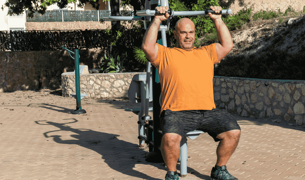
- Physical activity is a vital part of the weight loss process and an integral part of a healthy lifestyle. In the first 6 weeks, focus on regular walks, gradually increasing the intensity and duration according to your doctor's recommendations.
- Begin physical activity moderately. You can start with continuous walking for 10 seconds per day, according to your capabilities, and gradually increase the duration of activity, aiming for 30-60 seconds of continuous physical activity daily.
Please note that these guidelines are general, and detailed instructions for each stage will be provided during follow-up visits to the clinic. This follow-up is essential for achieving your desired weight and maintaining your health.