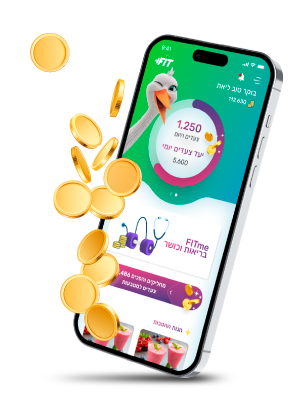
The fitness app that helps you stay healthy! Check it out on our website.
When treatment is combined with balanced nutrition and physical activity, it is possible to lose weight, maintain results over time, and improve additional health indicators.

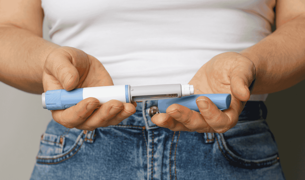
Injectable weight-loss treatment can help reduce hunger and support weight loss. However, medication alone is not enough. To achieve good results and maintain them over time, it is important to combine treatment with balanced nutrition and appropriate physical activity.
Adopting healthy lifestyle habits alongside treatment supports steady weight loss, overall health, and long-term lifestyle change.
Obesity is now considered a complex chronic condition. Even when using medication that helps reduce hunger, success also depends on daily habits related to nutrition and physical activity. Medication can help make weight loss easier, but long-term change happens when healthy habits are adopted.
When treatment is combined with balanced nutrition and physical activity, it is possible to lose weight, maintain results, and improve additional health measures.
Adequate water intake is an important part of the process. During treatment, gastrointestinal side effects may occur, and drinking enough water can help support digestive function and overall health.
In general, it is recommended to drink about 8–10 glasses of water per day, depending on individual needs. If there are specific nutritional considerations, such as constipation or kidney conditions, consultation with a dietitian is recommended.
It is important to include all major nutrients — proteins, carbohydrates, and healthy fats. Each plays an important role in supporting overall health and the weight-loss process.
Fiber-rich foods can support satiety and digestive health. Including vegetables, fruits, legumes, and whole grains in the daily menu can help maintain balanced nutrition during treatment.
Dietary fiber also helps promote fullness after meals and supports normal digestive function.
Even when hunger decreases, it is important to continue eating regularly throughout the day. Eating at consistent times can help maintain stable blood sugar levels and prevent strong hunger later in the day.
Typically, it is recommended to include three main meals per day and one or two snacks, depending on individual needs.
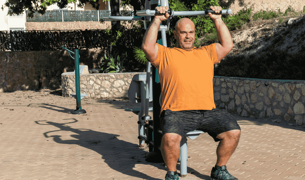
Physical activity is an important component of weight loss and overall health. Regular activity helps increase energy expenditure and supports weight reduction.
The World Health Organization recommends at least 150 minutes of moderate physical activity per week, such as walking, swimming, or other aerobic exercise.
In addition to aerobic activity, it is also important to include strength-building exercises, according to individual ability and health status.
There is no single activity plan that fits everyone. The type, intensity, and frequency of exercise should be tailored to individual health status, fitness level, and preferences.
If there are medical conditions or physical limitations, it is recommended to consult a professional before starting an exercise program.
Leumit’s dietitians are available to support you throughout your weight-loss journey, in clinics or via phone consultations. They can help you navigate the process, build a personalized plan, manage side effects, and develop habits that support long-term success.
Search Dietitians