The fitness app that helps you stay healthy! Check it out on our website.
Proper management of side effects can help ease symptoms and improve overall comfort.
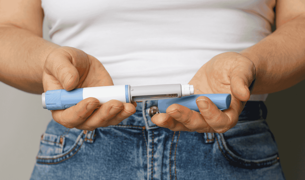
Starting a new injectable weight-loss treatment from the GLP-1 family represents a meaningful change for the body. These medications affect hormonal mechanisms that regulate satiety and digestive activity. As part of the adjustment process, side effects may appear. In most cases they are mild, occur at the beginning of treatment or after dose increases, and tend to improve over time.
By understanding the body’s new signals and making simple dietary adjustments, symptoms can often be significantly reduced.
These medications slow stomach emptying. This mechanism helps create longer-lasting satiety, but it can also lead to excessive fullness, nausea, or changes in bowel habits if eating patterns remain unchanged.
Stop eating when you feel full. Eating beyond satiety is a major cause of nausea and vomiting.
When food reaches the stomach more broken down, it is easier to digest without discomfort.
Stay well hydrated. If nausea occurs, drink small sips of very cold water or ice water throughout the day. It is recommended to separate drinking from meals to reduce pressure and bloating.
What may help?
Small, frequent meals. Cold or room-temperature foods are often easier to tolerate. Ginger (tea or sugar-free lozenges) may also help.
What to limit?
Fried, very fatty, or heavily seasoned foods.
This may occur because food, especially protein, remains in the stomach longer and breaks down slowly.
What may help?
Temporarily reducing sulfur-rich foods such as eggs, broccoli, cauliflower, and onions. Maintain good oral hygiene, including tongue brushing, and drink water with lemon or mint.
Important tip:
Avoid lying down immediately after eating. Wait at least two hours to allow digestion to progress.
Main focus: prevent dehydration
Drink sufficient clear fluids.
What to eat?
Choose simple, easy-to-digest foods such as white rice, boiled potatoes without skin, or cooked chicken. Temporarily reduce coarse fiber, artificial sweeteners (such as sorbitol), and carbonated drinks.
Combine fiber and fluids
Increasing fiber intake (vegetables, fruits, whole grains) should be combined with increased fluid intake. Fiber without adequate hydration may worsen constipation.
Foods that may help
Prunes or prune juice, grated tomato with olive oil, ground flaxseed, or chia seeds, which absorb fluids and soften stools.
Toilet positioning
Sometimes the solution is mechanical. Using a small footstool to elevate the feet while sitting (squat position) may help align the bowel and ease bowel movements.
Seek medical advice in the following situations:
Adapting nutrition to injectable treatment is a skill that develops over time. Guidance from a dietitian can help tailor personal solutions, ensure adequate protein intake to preserve muscle mass, and support safe management of the process. Listening to your body can help make the weight-loss journey more comfortable and successful.
Leumit’s dietitians are available to support you throughout your weight-loss journey, in clinics or via phone consultations. They can help you navigate the process, build a personalized plan, manage side effects, and develop habits that support long-term success.
Search Dietitians