The fitness app that helps you stay healthy! Check it out on our website.
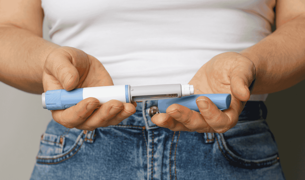
In recent years, many studies have examined the personal factors that influence weight loss when using weight-loss injections.
One of the first questions people ask before starting treatment with weight-loss injections is simple: how well does it actually work?
In recent years, data from large clinical studies have shown that newer pharmacological treatments can lead to meaningful weight loss in people with overweight or obesity. However, it is important to understand that results are not the same for everyone and are influenced by multiple factors.
Large-scale clinical trials conducted among people with obesity or overweight with related conditions found that treatment with medications from the GLP-1 family can lead to significant weight loss and improvements in metabolic health.
For example, in a large study of adults treated with Wegovy, the average weight loss was about 15% of body weight over approximately one and a half years of treatment. Some participants achieved weight loss of around 20% of body weight. Additional studies reported similar findings. However, these are statistical averages. Some people lose less weight, while others lose more.
Response to treatment differs from person to person. Weight loss is influenced by several important factors:
Even when using medication that reduces hunger, nutrition still plays a central role. People who follow a balanced, calorie-reduced diet that is rich in protein tend to see greater weight loss.
Regular physical activity can support weight loss and help maintain muscle mass during the process.
The medication works over time. Adherence to treatment and medical recommendations also affects results. This is considered long-term chronic treatment rather than a short-term solution.
Metabolism, health status, and lifestyle habits also influence the rate of weight loss. Some people respond quickly, even at lower doses. Others see results only at higher doses, and some experience a minimal response that does not lead to significant weight loss.
When discussing weight loss, it is important to understand that not all weight lost is necessarily fat.
Rapid weight loss may also lead to loss of muscle mass. Without proper management, a significant portion of weight loss may come from muscle rather than fat, which is not the desired outcome.
Therefore, it is important to focus on:
This approach helps reduce fat mass while preserving muscle mass and maintaining body function.
Another important point is that obesity is now considered a chronic condition. This means that even after significant weight loss, maintaining results requires ongoing lifestyle management and continued treatment to help preserve the new weight.
When treatment is stopped without lifestyle changes, weight regain may occur in many cases.
For this reason, medication is sometimes viewed as a “jump-start” for the weight-loss process - a tool that helps begin the journey, while long-term success depends on lifestyle and continued adherence to treatment.
Available data shows that for many people, pharmacological treatment can lead to meaningful weight loss. However, it is not possible to predict exactly how much each person will lose.
The final result is influenced by a combination of factors: medical treatment and individual response, nutrition, physical activity, and consistency. When these components work together, treatment can help many people achieve significant and sustainable weight loss while improving overall health.
Leumit’s dietitians are available to support you throughout your weight-loss journey, in clinics or via phone consultations. They can help you navigate the process, build a personalized plan, manage side effects, and develop habits that support long-term success.
Search Dietitians