The fitness app that helps you stay healthy! Check it out on our website.
A guide to starting treatment

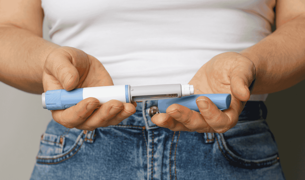
After deciding to begin treatment with weight-loss injections, one of the first questions is how the medication is actually used. Contrary to what some people think, the treatment is not particularly complex. The medication is given as a subcutaneous injection using a ready-to-use pen, usually once a week.
However, treatment does not start at the full dose. To allow the body to adjust and reduce the risk of side effects, treatment begins with a low dose that is gradually increased over several weeks.
The first step is receiving a prescription from a physician following a medical evaluation.
After obtaining the medication, it is recommended to receive professional guidance from a healthcare team member, usually a nurse, on how to use the injection pen. The guidance includes explanation of the injection technique, frequency of use, and how to integrate treatment into daily routine.
The medication is given as a subcutaneous injection, meaning an injection into the fat layer beneath the skin.
One of the advantages of the treatment is its frequency. The injection is typically given once a week, on the same day each week.
The medication can be injected at any time of day, with or without food. The most important aspect is consistency and keeping the injection on a fixed day. Maintaining a routine helps support adherence over time.
To allow the body to adapt to the medication, treatment starts with a low dose. The dose increases gradually during the first weeks. Exact instructions should be provided by the treating physician.
Dose escalation is usually done in stages:
The pace of dose escalation is determined by the physician based on the patient’s health status and tolerance.
Although the injection pen is simple to use, professional guidance before starting treatment is important. It helps ensure correct use and prevents mistakes.
In addition, the healthcare team continues to support patients throughout treatment, including dose adjustments and management of side effects if needed.
Medication alone is not enough. To achieve good results and maintain them over time, treatment should be combined with healthy lifestyle habits.
During treatment, it is recommended to:
Combining medication with proper nutrition and physical activity can support steady weight loss and overall health.
As part of treatment, nutritional guidance from a clinical dietitian is often recommended. Nutritional support helps tailor the meal plan to the weight-loss process, manage possible side effects, and preserve muscle mass that may decrease during treatment.
In addition, the dietitian can monitor body composition over time and help ensure weight loss occurs in a healthy and balanced way. When medication, professional guidance, and lifestyle changes work together, better long-term results can be achieved and maintained.
Leumit’s dietitians are available to support you throughout your weight-loss journey, in clinics or via phone consultations. They can help you navigate the process, build a personalized plan, manage side effects, and develop habits that support long-term success.
Search Dietitians