The fitness app that helps you stay healthy! Check it out on our website.
The decision to start treatment is made after a medical evaluation, including review of overall health status, body mass index (BMI), and weight-related medical conditions.

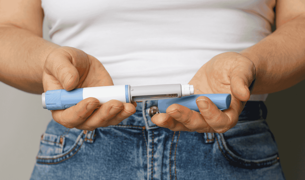
In recent years, injectable pharmacological treatment for weight loss (also known as weight-loss injections) has become one of the main options for managing overweight and obesity. Despite their popularity, it is important to understand that this treatment is not intended for everyone who wants to lose a few kilograms. Like other medical treatments, there are clear criteria that define who may be suitable. It is also important to remember that this is a chronic treatment, not a short-term solution.
The decision to begin treatment is made following a medical assessment that considers overall health, BMI, and weight-related conditions.
The choice of medication and appropriate dose is determined by the treating physician based on medical criteria, health status, and additional considerations such as availability.
After receiving a prescription and medical guidance, treatment can begin as part of a comprehensive weight-management plan that includes medical care, nutrition, and physical activity.
According to accepted medical guidelines, injectable treatment is primarily intended for people with obesity or significant overweight with related medical conditions.
Treatment may generally be considered in the following situations:
In cases of obesity, pharmacological treatment may be considered as part of a comprehensive weight-management plan.
When weight-related health issues are present, treatment may be considered at a lower BMI, based on physician evaluation. Common conditions include:
In these cases, treatment and weight loss may improve not only body weight but overall health.
In most cases, treatment is intended for adults aged 18 and older. Some medications may also be considered for adolescents aged 12 and above with significant obesity and weight-related conditions.
The decision to treat at a younger age is made only after professional medical evaluation.
Although many people may benefit from treatment, there are situations where use is not recommended, such as:
For this reason, treatment should always begin after consultation with a physician.
Before starting injectable treatment, a full medical evaluation is usually performed. During the visit, the physician may review:
It is also important to inform the physician about conditions such as:
This information helps determine whether treatment is appropriate and which medication and dose are most suitable.
Medication is not a standalone solution. To achieve good results and maintain them over time, it should be combined with lifestyle changes and professional nutritional and medical support.
Before starting treatment, it is recommended to schedule at least one appointment with a clinical dietitian and continue nutritional follow-up during treatment. Nutritional guidance helps build a personalized eating plan, monitor weight loss, manage challenges and possible side effects, preserve muscle mass and overall health, and maximize safe and effective weight-loss results during treatment.
Leumit’s dietitians are available to support you throughout your weight-loss journey, in clinics or via phone consultations. They can help you navigate the process, build a personalized plan, manage side effects, and develop habits that support long-term success.
Search Dietitians